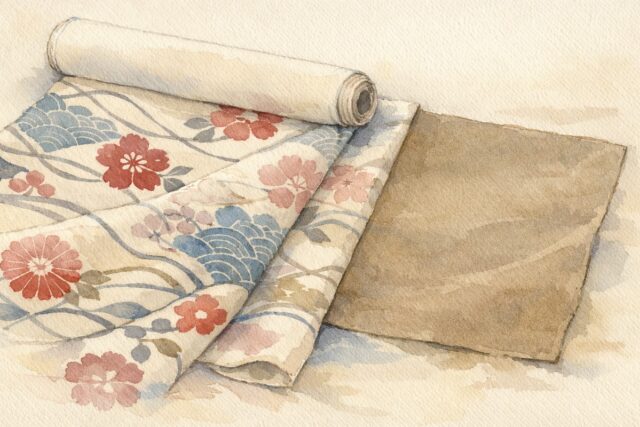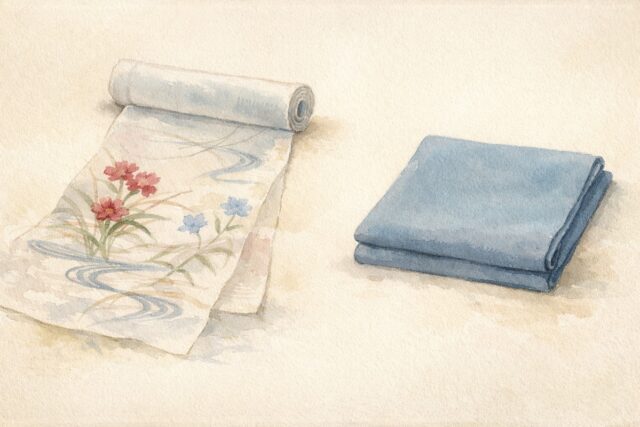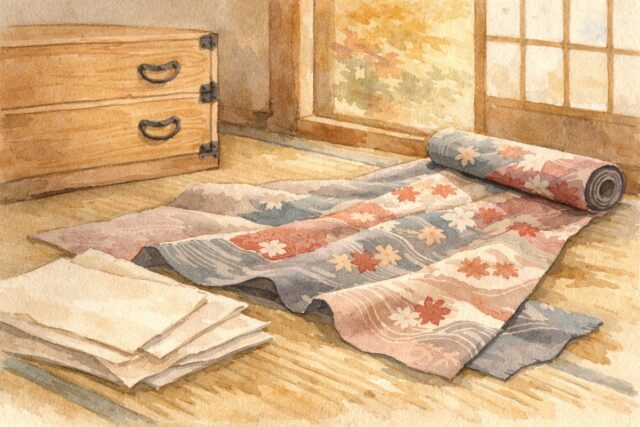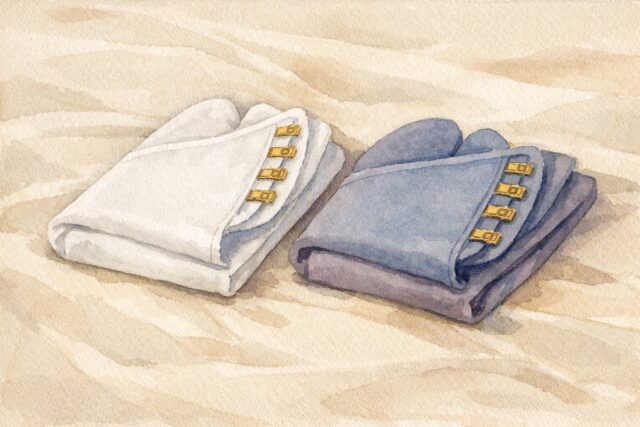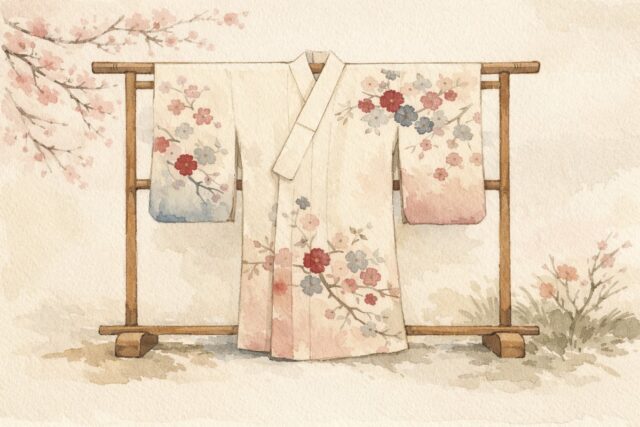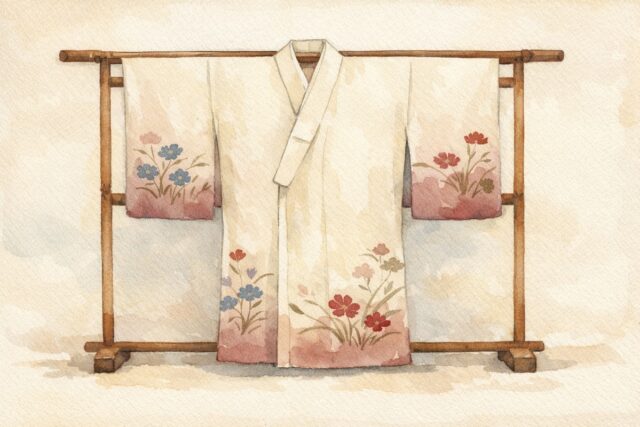
Storing Kimono in a Paulownia Chest? Check These Spots While Airing Them Out
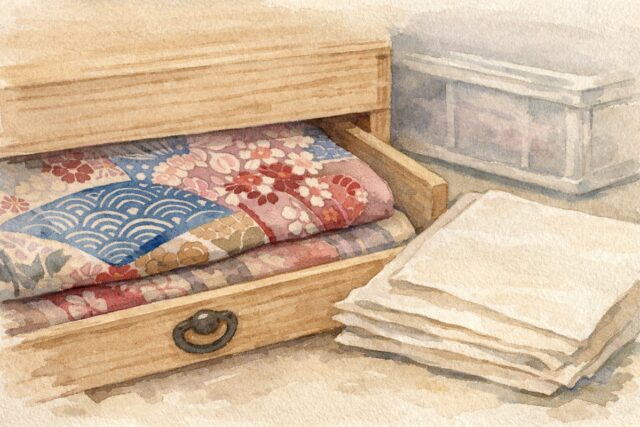
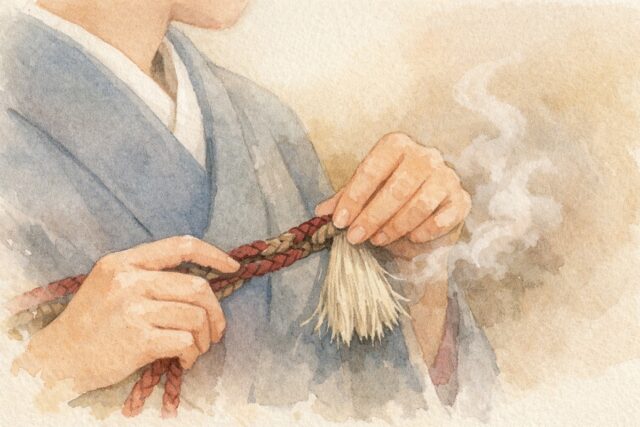
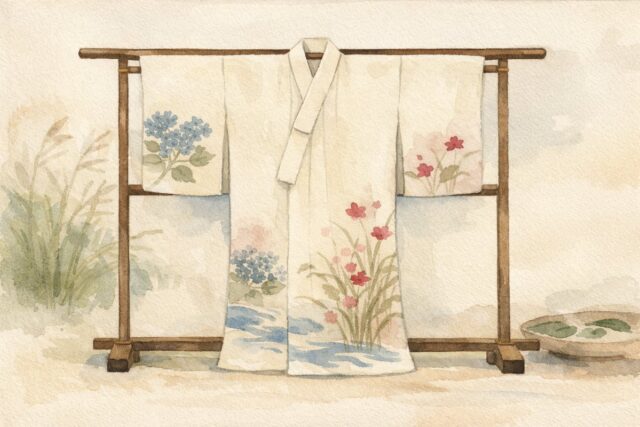
A guide for paulownia chest kimono storage: what to check on the chest itself during mushiboshi airing, plus moth-repellent timing and tips for spotting stains or mold.
Koromogoyomi is a kimono-culture site run by a kimono retailer in Japan, exploring kimono, Japanese dress, seasonal traditions, textiles, styling, care, and cultural outings.
A guide for paulownia chest kimono storage: what to check on the chest itself during mushiboshi airing, plus moth-repellent timing and tips for spotting stains or mold.
A gentle guide to wearing tsumugi as everyday kimono — where the casual line sits, how weddings and tea gatherings differ, and regional customs to know.
Sore feet from geta or zori hanao can often be prevented with just a little prep beforehand. Here's a gentle guide from causes to prep steps and on-the-day fixes.
A guide to how far parents can go in fixing a child's kimono when it comes loose on Shichi-Go-San day, covering the collar and hem, handy extras, and when not to force a fix.
Unsure about haneri and kasane-eri for your graduation nijyaku-sode and hakama outfit? Here's a gentle guide to their roles, colors, and how they pair with hakama.
Confused between chirimen and rinzu when choosing an obiage? Here's a clear guide to their look, feel, and best occasions, plus beginner tips and care advice.
A gentle guide to tabi covers vs. tabi socks, from how they're made to how to choose by occasion, including Shichi-Go-San and theater kimono outings.
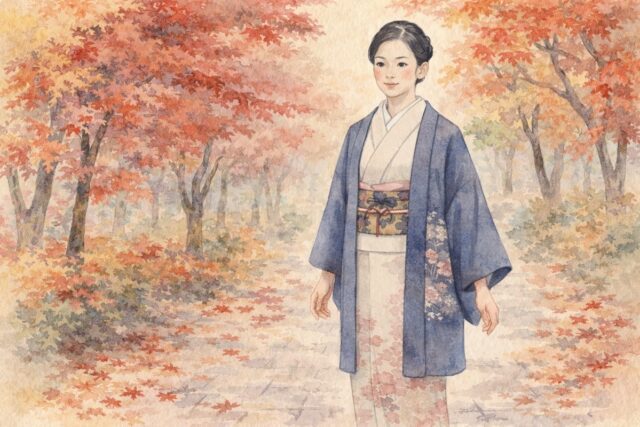
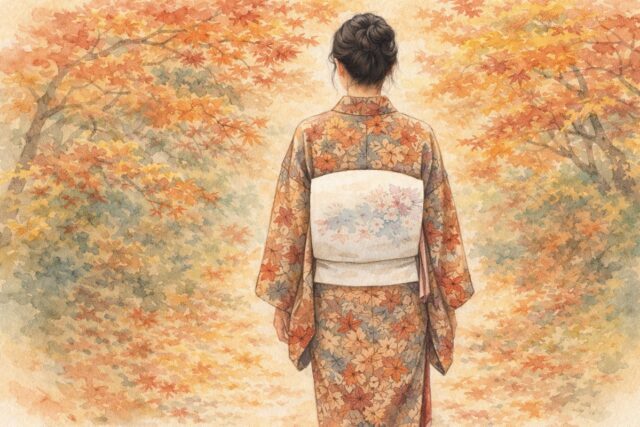
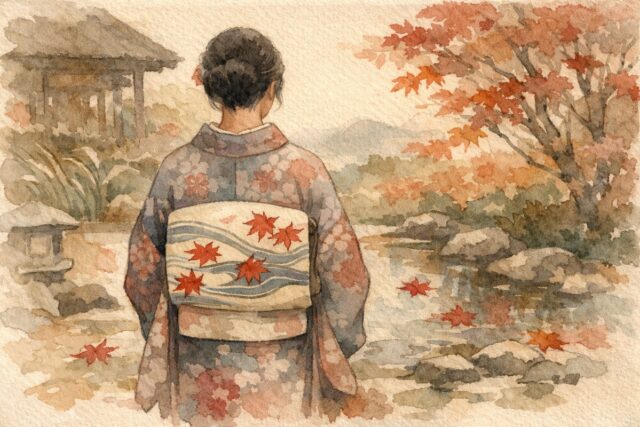
Heading out in kimono for autumn leaves? A gentle guide to late-October temperatures, choosing between haori and michiyuki coat, and preparing for long walks.
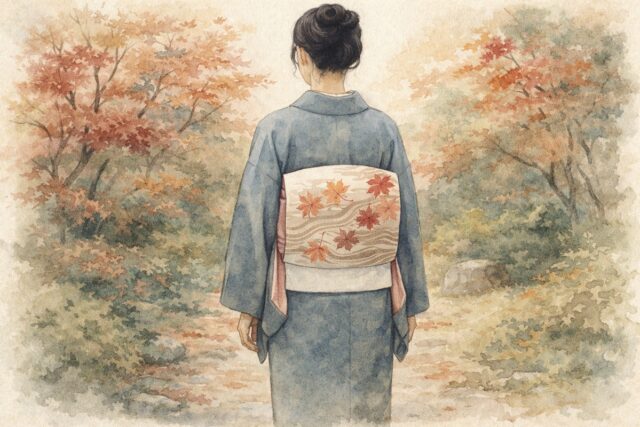
A gentle guide to choosing obijime and obiage colors for Tatsutagawa-pattern kimono and obi, exploring autumn-leaf reds, flowing-water blues, and seasonal balance.
A gentle guide for mothers wearing houmongi to Shichi-Go-San, covering how to choose obijime and obiage colors, balance with the child's kimono, color pairings to avoid, and seasonal touches.
Worried your child might trip in unfamiliar zori for Shichi-Go-San? Here's how to practice at home, when to start, adjusting the thongs, and what to say on the day.
Obijime knots aren't limited to the basic knot and the kanau knot. Learn the differences between kotobuki, ichimonji, and fuji knots by occasion.
Does a stiffer collar stay really give a cleaner emon on your nagajuban? A gentle, beginner-friendly guide to collar stay stiffness, materials, and how to choose by kimono type and season.
Wondering if a yukiwa (snow-ring) obi suits a tatsutagawa kimono despite their different seasons? Here's why yukiwa works year-round and how to pair them.
Beyond the Tatsutagawa motif, autumn kimono patterns include scattered maple leaves and autumn grasses. Here's a gentle guide to choosing komon or tsumugi.
When can you wear a Tatsutagawa-pattern obi? This guide explains the general season for this maple-and-water design, plus how the drawing style and colors shift the timing.
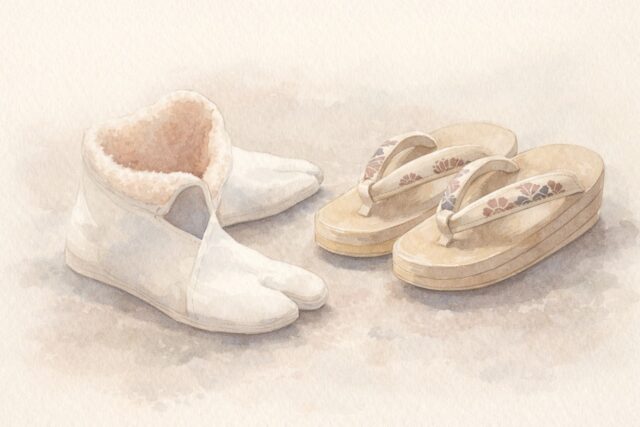
A gentle guide to choosing winter tabi: the difference between sarashi-lined and flannel-lined tabi, why flannel feels warmer, layering tips, and laundry care.
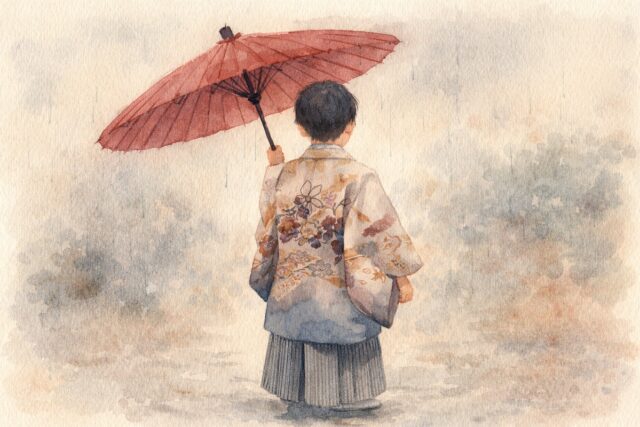
What to do if it rains on Shichi-Go-San day: how to decide whether to proceed, tips for choosing kids' raincoats and zori/tabi covers, kitsuke adjustments, and a packing checklist.
A gentle guide to whether obijime tassel covers are really necessary, how to use them while traveling or in storage, why tassels fray easily, and what to use if you don't have one.
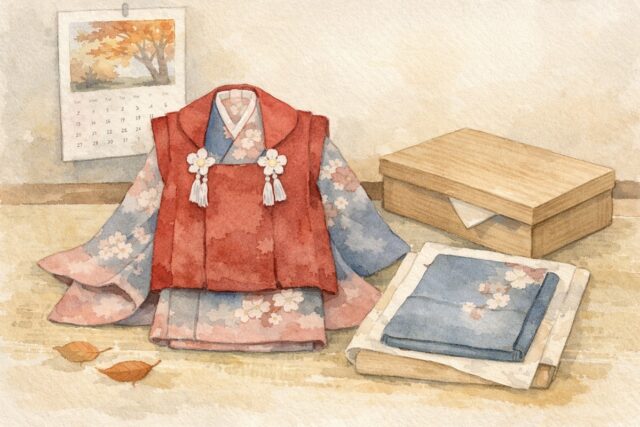
Can siblings pass down a Shichi-Go-San kimono? Here's how to judge by age gap, gender, and how much a kimono can be resized, for both 3-year-olds and 7-year-olds.
When should you switch the haneri on your nagajuban? Here's an easy guide to timing it with the kimono seasonal wardrobe change, by fabric type.
Torn between tsumami zaiku and fresh flowers for your furisode hair accessory at seijin-shiki or maedori? Compare the pros, cons, and best fit for you.
Have a Tatsutagawa-motif obi? Here's how to match kimono color by the obi's background shade, tips for deepening the autumn mood, and combinations to avoid.
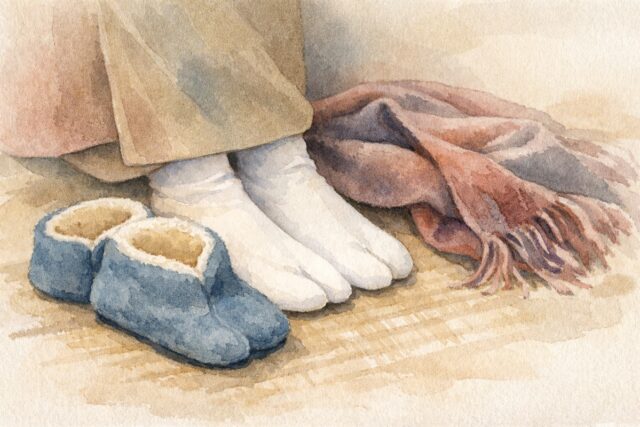
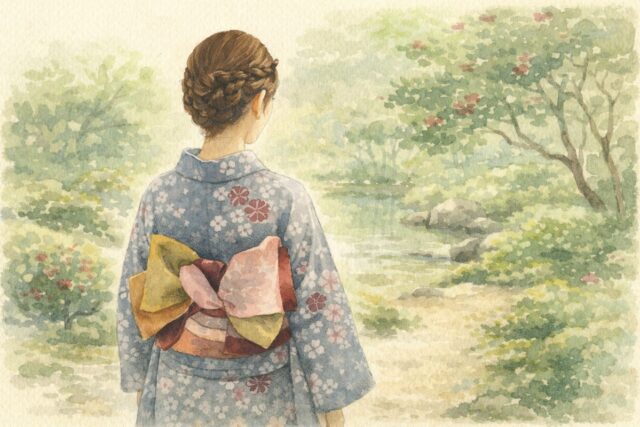
Torn between a paulownia chest and a plastic storage case for your kimono? Here's a gentle breakdown of how each handles humidity, plus the moisture care steps you can't skip either way.
Wrinkled obiage after wearing? Learn how to smooth it out by hand and use an iron correctly, with care tips by fabric type, before you store it.
Nanten (sacred bamboo) and camellia are the go-to winter kimono motifs, but there are other options too. A gentle guide to pine, plum, narcissus, snow rings, and more.
Struggling with fluffy, frayed obijime tassels? Here's a gentle guide to fixing them with steam and preventing it through everyday storage habits.
Beyond the Tatsutagawa pattern, what other motifs suit autumn kimono? A gentle guide to the meaning of autumn grasses, chrysanthemum, and grape motifs, and when to wear them.
Before confirming a houmongi rental, check these easy-to-miss booking details: when a reservation is truly confirmed, what's actually in the set, and cancellation or extension fees.
Wondering if a mother can reuse the same kimono for yuino and the wedding ceremony? Here's a gentle guide to the difference in formality and when one kimono can cover both.
Want to view autumn leaves in kimono? Here's a gentle guide to choosing fabrics, footwear, and outerwear that solve both mountain-path walking and outdoor stains.
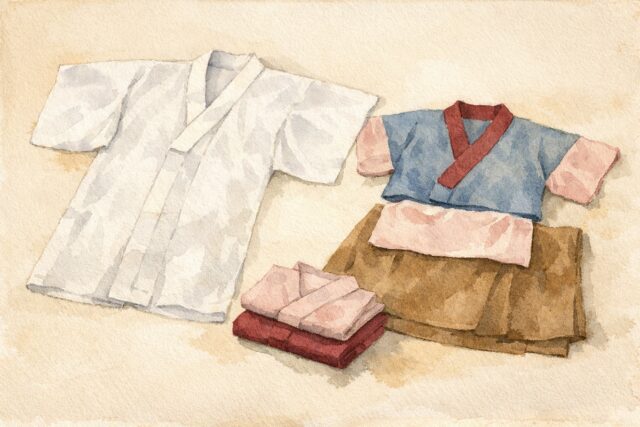
A guide to cold-weather layering for Shichi-Go-San kimono in November, covering the age-3 hifu, age-5 haori hakama, and age-7 kimono with obi, plus tips by temperature.
Yuki tsumugi and Oshima tsumugi are both beloved autumn-winter tsumugi. Compare their warmth, texture, and best occasions to find your first piece.
A gentle guide to Edo komon: the meaning and origins of the sanyaku and goyaku patterns, how its formality compares to iromuji, and how to wear it with a crest.
Shibori tie-dyeing appears often on yukata and kimono. What sets Arimatsu-Narumi shibori apart from Kyo Kanoko shibori? A gentle look at their history and techniques.
A guide for parents choosing their son's graduation hakama: black montsuki haori-hakama vs. colorful patterned haori-hakama, how to pick colors that fit in, restroom concerns, and when to book.
Already booked your furisode but unsure what to prepare before the big day? Here's a clear, step-by-step guide covering accessories, the day before, and the full timeline of the day itself.
Girls' graduation hakama for elementary school differ in sizing from adult hakama. Here's a step-by-step guide from booking timing to staying comfortable on the day.
A gentle guide to Okinawa's traditional dress ryusou and its island-by-island dyeing and weaving traditions—bingata, bashofu, ryukyu kasuri, miyako jofu, yomitanzan hanaori, kumejima tsumugi, shuri-ori, yaeyama jofu, and yaeyama minsa.
When should you book a kimono rental for Shichi-Go-San? Here's a month-by-month look at busy periods, what to decide before booking, and what to do if you're running late.
Not sure when to take Shichi-Go-San photos? Here's a clear look at pre-shoot, same-day, and post-shoot options, the burden by age, and how to plan your schedule.
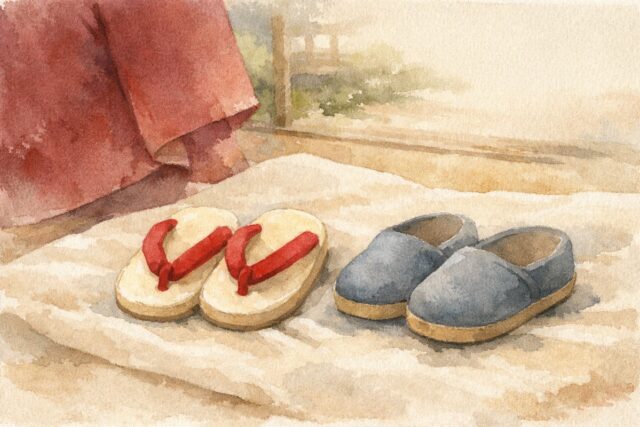
It's common for 3-year-olds to resist zori at Shichi-Go-San. Try sizing tips and thong-loosening tricks at home first — if that's still hard, zori-style shoes are a solid option for a pain-free day.
Worried about bold patterns on a furisode for Coming-of-Age Day? Here's how eba moyou design and pattern placement shape the look, plus the best time to book.
Worried your houmongi looks too young or too plain? Here's a clear guide to eba patterns and age-appropriate colors and motifs for every occasion.
What's the difference between nijaku-sode and furisode for a graduation hakama outfit? Here's a clear guide to sleeve length, look, and rental timing.
How does Shichi-Go-San kimono differ for ages 3, 5, and 7? Here's a clear breakdown of each age's attire, the ceremony's origins, and what to prepare.
Ever paused over a kimono color name? Explore Heian-era kasane no irome, how it differs from modern color charts, and how to use it in kimono styling.
Oshima tsumugi is an everyday kimono, not formal wear for weddings. Here's when it shines as chic casual wear, plus 3 things to check before renting.
Hanhaba obi and heko obi are the basics for yukata. A Nagoya obi isn't an equal alternative — it's for styling yukata like a summer kimono, and it takes more than just a new obi.
Torn between kanzashi materials? Here's a gentle guide to tsumami zaiku basics, why real tortoiseshell is now so rare, and how it differs from imitation versions.
Torn between renting or buying a houmongi? Compare typical rental and purchase costs and match your choice to weddings, ceremonies, and tea gatherings.
Wondering whether to rent or buy kimono for Shichi-Go-San? Here's how to choose for child and mother, typical costs, booking timing, and sibling considerations.
Did you think Kyo-Kaga Yuzen was a place name? Discover how it differs from Kaga Yuzen and Kyo Yuzen, and how to identify it by seal and label.
Spot a round snow motif on a yukata or summer kimono? This is yukiwa. Discover why a winter pattern suits summer, and when to wear it.
A guide to choosing the mother's kimono for a shape-awase meal or yuino: houmongi vs iromuji, how crests affect formality, and matching both families.
Not sure when to book your maedori for seijin-shiki? Here's a clear guide to the times to avoid, the best windows to aim for, and what to expect on the day.
Still haven't arranged your graduation hakama? Here's how late a last-minute rental can work, three things to check right before the day, and backup options if you miss the deadline.
An easy guide to the Tatsutagawa kimono motif's origins and the difference between wearing autumn maple and early-summer green maple, rooted in a classical poem.
What sets a haori apart from a michiyuki coat or dochugi? A friendly look at look, formality, and season, focused on the key point: do you take it off indoors?
Cold drafts in winter kimono sneak in at the neck, sleeves, and feet. Here's a gentle guide to layering from underwear to outerwear, plus static tips.
Wondering if you can wash geta and zori with water? Here's a simple guide to which materials tolerate moisture, and how to wipe and dry them properly.
Using the bathroom in a furisode or kimono isn't scary once you know the steps. Here's a gentle guide to sleeves, hem order, and avoiding kizukure.
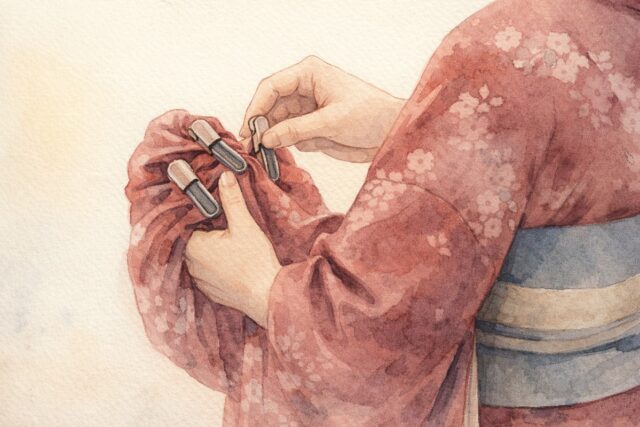
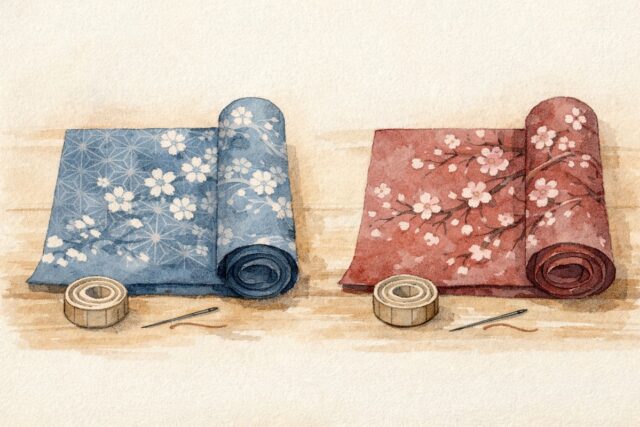
A clear guide to kimono tailoring, from steaming and cutting to sewing, plus the basics of measurements, hand-sewing vs. machine, and re-tailoring.
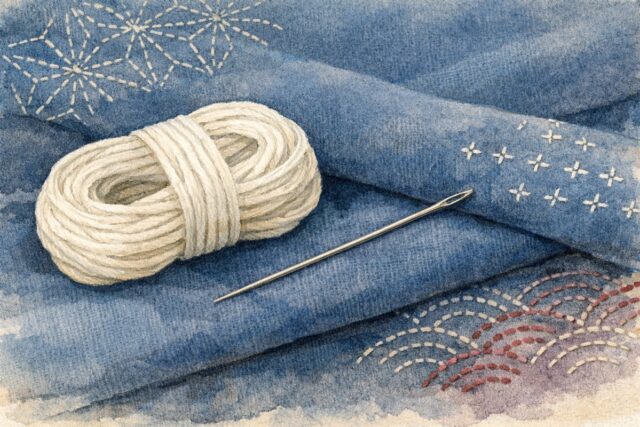
Confused by sashiko listings on Amazon? Here are the only two supplies worth buying first, and how to read the product titles so you get the right ones.
What sets Kyo Yuzen apart from Nishijin-ori? A gentle guide to dyeing vs. weaving techniques, why each is used for kimono or obi, and how to pair them.
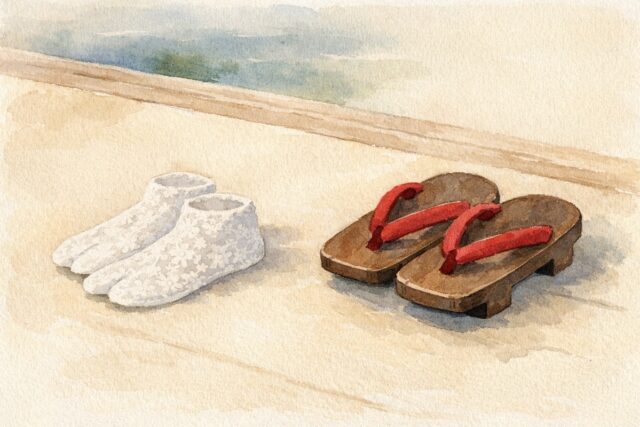
Bare feet with geta are the classic yukata look, but tabi aren't wrong either. A gentle guide to the history and stylish pairings like lace tabi.
White tabi socks dull quickly? Here's a gentle guide to hand-washing, drying, and tackling stubborn yellowing, starting with what to do the moment you take them off.
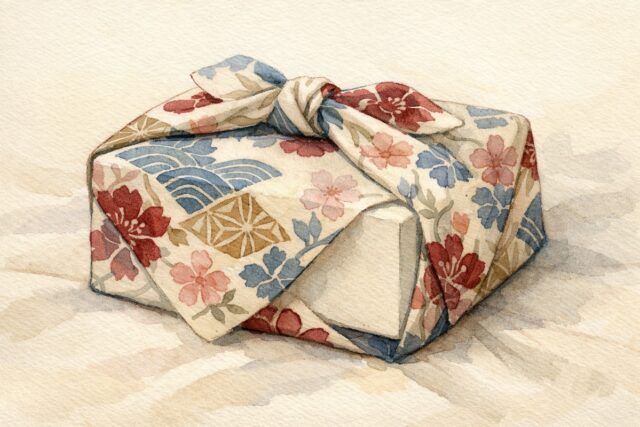
A furoshiki is a single square of cloth, not a bag. Learn what it actually is, the one size worth owning first, and three knots that cover most everyday wrapping.
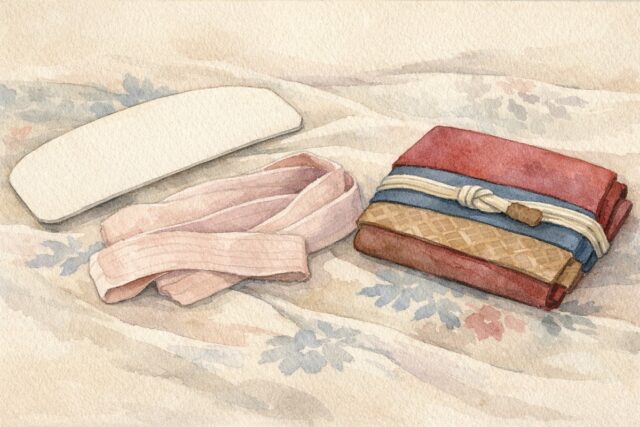
Are obi-ita and date-jime truly necessary? Here's a gentle breakdown of when you can skip them for yukata or casual wear, and why they matter for formal kimono looks.
Wondering how long you can wear hitoe kimono? A gentle guide to the traditional koromogae calendar, casual temperature-based dressing, and the role of ishikiate for year-round hitoe.
Ever wonder why a washable kimono looks see-through? The answer lies in weaves like ro, sha, and yoryu. Here's a gentle guide to sheerness, choosing fabric, and washing care.
How to choose everyday split-toe tabi socks online: reading toe room and fabric weight in a listing, sizing across regions, and wearing them with sneakers, sandals, geta or zori.
How to choose a solid-color kimono color you won't regret, organized by crest, obi pairing, and occasions like entrance ceremonies, graduations, and tea gatherings.
Invited to a kabuki show or dinner but don't own a komon? Here's an easy guide to renting one for the day, plus what to check before you book.
A plain wooden stick and a real kanzashi look similar in photos but behave differently in hair. Here is what to check in a listing before you buy.
Which parts of mourning kimono attire—obi, obijime, and more—should be black, and why do tabi and han-eri stay white? A gentle guide, plus how to check if an inherited black montsuki still fits.
Obidome spinning around or the cord won't thread through? Learn how sanbu himo works, how to tie it properly, and what to check when buying more.
A gentle guide to airing out kimono: seasonal timing from summer's doyo-boshi to winter airing, indoor alternatives, and rules for using mothballs safely.
How to tell real kimono silk from kimono-print before you buy an Aloha shirt online, what bolt-cut and one-of-a-kind actually mean, and how to size and care for one.
A buyer's guide to telling real kimono-fabric aloha shirts from kimono-print ones online: fabric wording, seams, lining, sizing, and silk care explained.
A kimono aloha shirt is made from real kimono cloth or kimono-style print. Learn what separates the two before you buy one online.
A beginner-friendly guide to tabi sizing, the differences between karako, broadcloth, and stretch materials, and when to wear white versus colored tabi.
Why is the asa-no-ha pattern so common on children's kimono? A gentle look at its hexagon shape, its Edo-era boom, and its use on yukata today.
A gentle guide to the differences between Kyo, Kaga, and Edo yuzen, with tips for telling them apart, like shading direction and 'insect-eaten' motifs.
Not sure what kimono to wear to a memorial service? Here's how to choose between formal, semi-formal, and simplified mourning wear, plus tips on iromuji, komon, and accessories.
Standing at a rental counter with ten minutes to decide? Here's how kimono photo shoot packages actually work, what changes the result, and what to ask before you pay.
Simple tips for keeping your yukata neat at fireworks festivals: pre-outing prep, moving through crowds, and post-event care to prevent kizukure and stains.
Silk or polyester for your nagajuban? Awase or hitoe? Here's a simple, friendly way to sort it all out by fabric, tailoring, and season.
Planning a tea ceremony in Kyoto in a rented kimono? Here's what actually happens during the experience, what to wear, and how much time to set aside.
Torn between renting or buying a Shichi-Go-San kimono? Here's a clear, fact-based look at why kimono differ for ages 3 and 7, typical rental and purchase costs, how re-tailoring can allow reuse, and the storage work buying involves.
Why do sarasa patterns look so exotic? Discover their journey from India, the spread of wa-sarasa like Nabeshima and Kyo sarasa, and how to wear them today.
Wondering whether to rent or buy a tomesode for a wedding? Here's a clear guide by role, family crest etiquette, and when renting or buying suits you best.
Why is the mother-of-the-bride kimono black, and what do its five crests mean? A clear look at the kurotomesode's history and how it differs from irotomesode.
Should you rent or buy a kurotomesode or irotomesode? A gentle guide based on price ranges, booking timing, and crest formality, with tips by role.
Five crests on a black tomesode, one on a houmongi — why the difference? A gentle guide to kamon numbers, family crests vs. women's crests, and dyed vs. embroidered rank.
Iromuji formality shifts dramatically with the number of crests. Learn how to choose between no-crest, one-crest, and three-crest styles for school ceremonies, tea gatherings, and rentals.
Kimono sizing comes down to three measurements: mitake, yuki, and body width. Learn easy self-measuring tips, size guidelines by body type, and fixes for a poor fit.
Do you toss your geta (wooden sandals) straight into the shoe cupboard after a summer festival? Learn base-finish wiping, hanao care by material, and off-season storage tips.
A visitor guide to choosing a kimono for a Japanese tea ceremony: why tsumugi is avoided, what to wear instead, and the details that matter in a tea room.
A clear, step-by-step guide to choosing a men's yukata (a light cotton summer kimono) — sizing, colors and patterns, tying the kai-no-kuchi obi knot, and footwear.

For newcomers
Writes for readers trying kimono for the first time: warm, practical guides that answer the everyday question of how to actually choose, with clear comparisons and small tips.

Ceremonies & etiquette
Covers formal wear, seasonal ceremonies, and etiquette, calmly sorting out questions of formality and occasion so you can feel at ease on the day.

Textiles & culture
Explores dyeing, weaving, motifs, and the stories woven into cloth: quiet, reading-for-pleasure pieces that leave you with a small note of discovery.
These are editorial pen names created and voiced by our team, not real individuals.
Every article is checked for accuracy before publication by editor-in-chief DANNA. See our Editorial Policy for how we work. Editorial Policy.