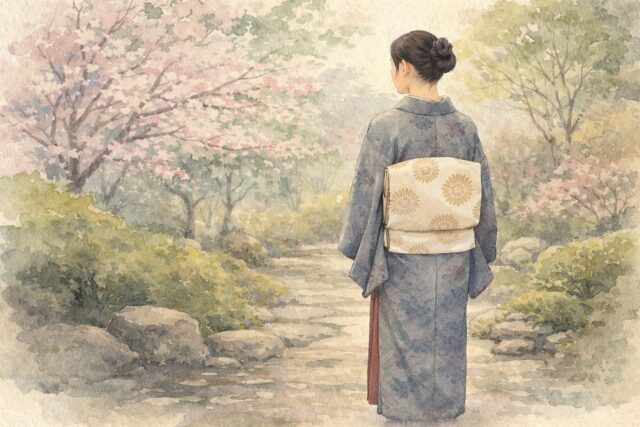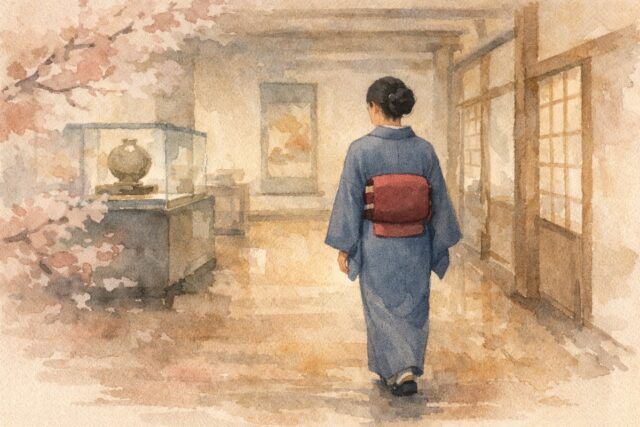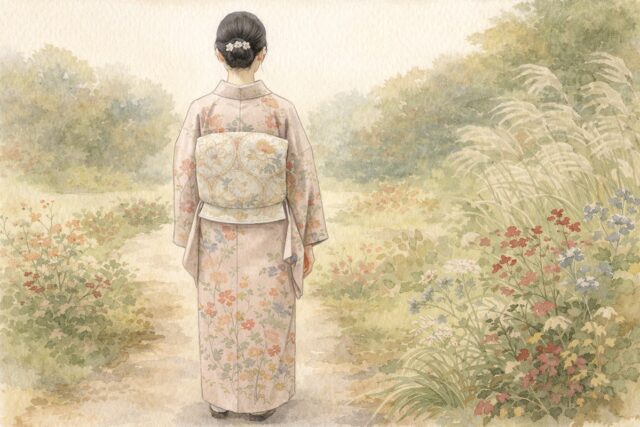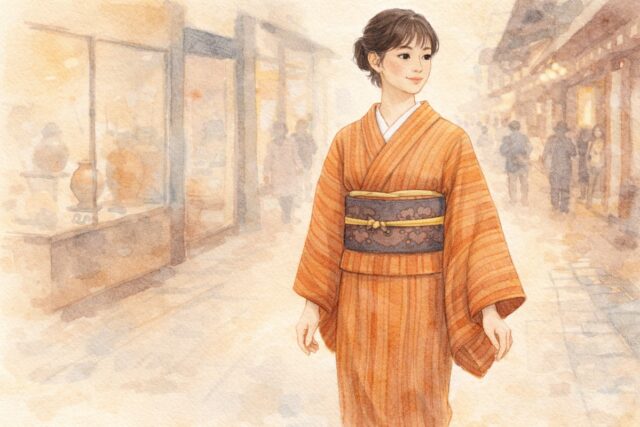
Wearing Tsumugi Day to Day: How Casual Is Too Casual? Where the Line Falls
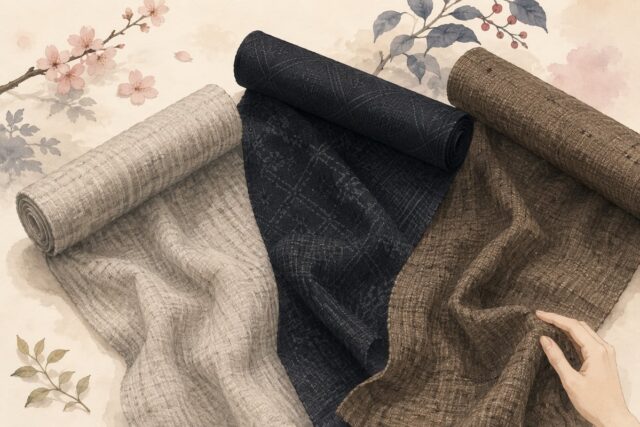
A gentle guide to wearing tsumugi as everyday kimono — where the casual line sits, how weddings and tea gatherings differ, and regional customs to know.
A gentle guide to wearing tsumugi as everyday kimono — where the casual line sits, how weddings and tea gatherings differ, and regional customs to know.
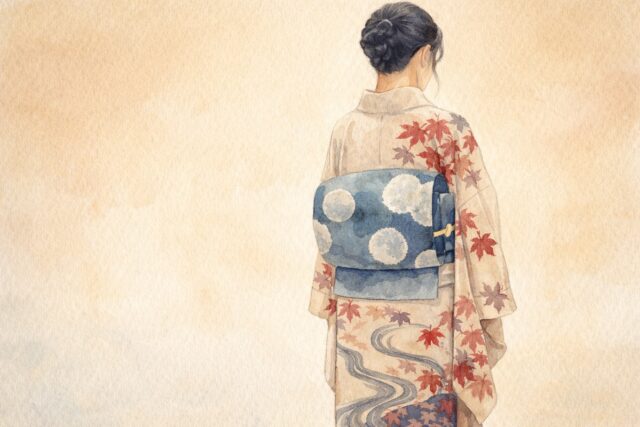
A gentle guide to choosing obijime and obiage colors for Tatsutagawa-pattern kimono and obi, exploring autumn-leaf reds, flowing-water blues, and seasonal balance.
Wondering if a yukiwa (snow-ring) obi suits a tatsutagawa kimono despite their different seasons? Here's why yukiwa works year-round and how to pair them.
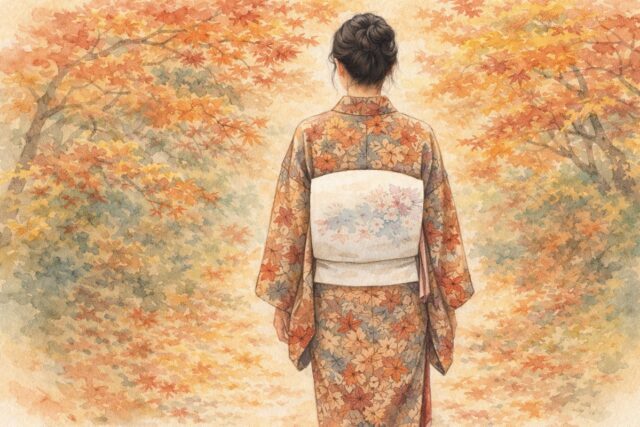
Beyond the Tatsutagawa motif, autumn kimono patterns include scattered maple leaves and autumn grasses. Here's a gentle guide to choosing komon or tsumugi.
When can you wear a Tatsutagawa-pattern obi? This guide explains the general season for this maple-and-water design, plus how the drawing style and colors shift the timing.
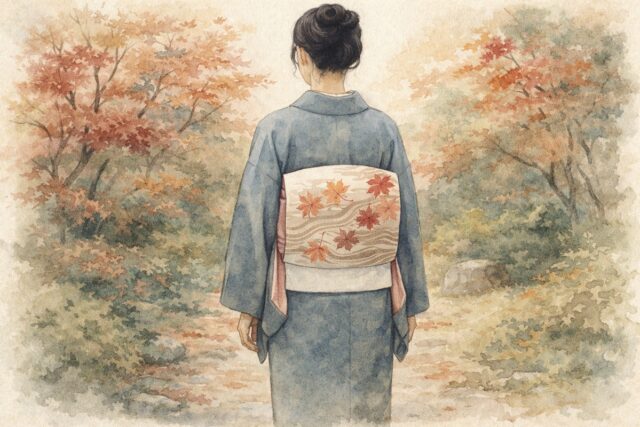
Have a Tatsutagawa-motif obi? Here's how to match kimono color by the obi's background shade, tips for deepening the autumn mood, and combinations to avoid.
Nanten (sacred bamboo) and camellia are the go-to winter kimono motifs, but there are other options too. A gentle guide to pine, plum, narcissus, snow rings, and more.
Beyond the Tatsutagawa pattern, what other motifs suit autumn kimono? A gentle guide to the meaning of autumn grasses, chrysanthemum, and grape motifs, and when to wear them.
Yuki tsumugi and Oshima tsumugi are both beloved autumn-winter tsumugi. Compare their warmth, texture, and best occasions to find your first piece.
A gentle guide to Edo komon: the meaning and origins of the sanyaku and goyaku patterns, how its formality compares to iromuji, and how to wear it with a crest.
Shibori tie-dyeing appears often on yukata and kimono. What sets Arimatsu-Narumi shibori apart from Kyo Kanoko shibori? A gentle look at their history and techniques.
A gentle guide to Okinawa's traditional dress ryusou and its island-by-island dyeing and weaving traditions—bingata, bashofu, ryukyu kasuri, miyako jofu, yomitanzan hanaori, kumejima tsumugi, shuri-ori, yaeyama jofu, and yaeyama minsa.
Ever paused over a kimono color name? Explore Heian-era kasane no irome, how it differs from modern color charts, and how to use it in kimono styling.
Did you think Kyo-Kaga Yuzen was a place name? Discover how it differs from Kaga Yuzen and Kyo Yuzen, and how to identify it by seal and label.
Spot a round snow motif on a yukata or summer kimono? This is yukiwa. Discover why a winter pattern suits summer, and when to wear it.
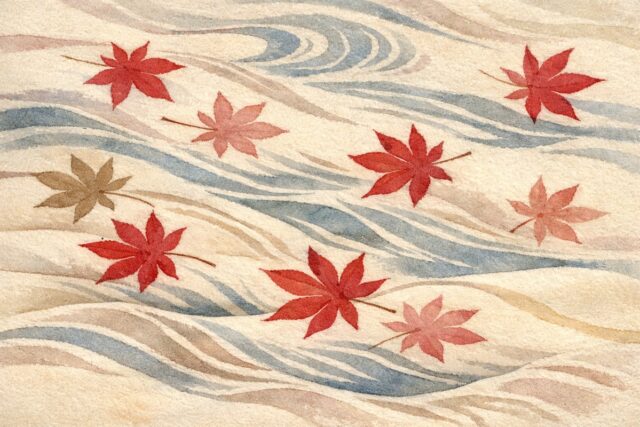
An easy guide to the Tatsutagawa kimono motif's origins and the difference between wearing autumn maple and early-summer green maple, rooted in a classical poem.
What sets Kyo Yuzen apart from Nishijin-ori? A gentle guide to dyeing vs. weaving techniques, why each is used for kimono or obi, and how to pair them.
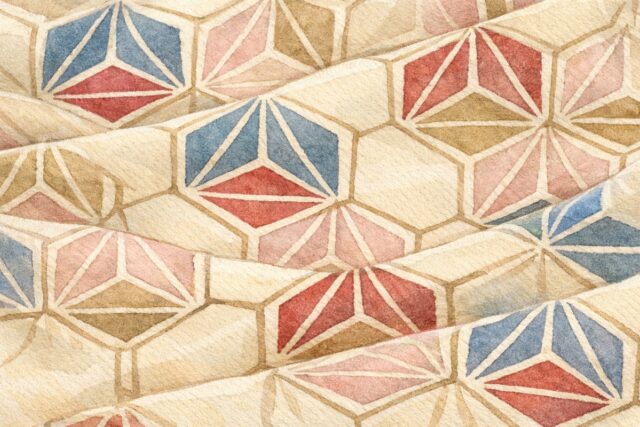
Why is the asa-no-ha pattern so common on children's kimono? A gentle look at its hexagon shape, its Edo-era boom, and its use on yukata today.
A gentle guide to the differences between Kyo, Kaga, and Edo yuzen, with tips for telling them apart, like shading direction and 'insect-eaten' motifs.
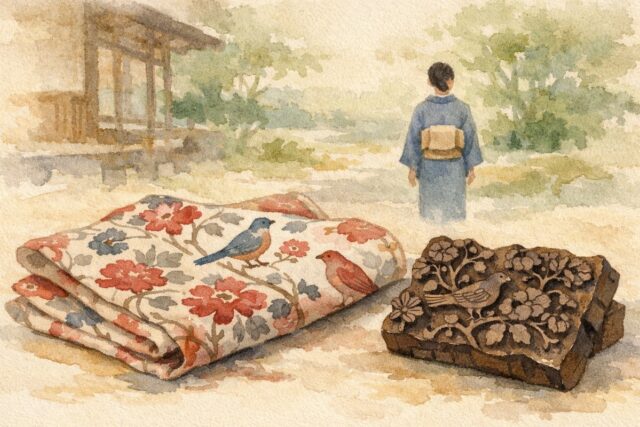
Why do sarasa patterns look so exotic? Discover their journey from India, the spread of wa-sarasa like Nabeshima and Kyo sarasa, and how to wear them today.
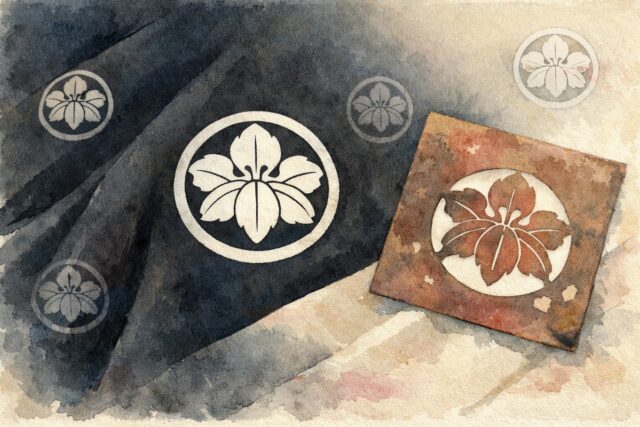
Five crests on a black tomesode, one on a houmongi — why the difference? A gentle guide to kamon numbers, family crests vs. women's crests, and dyed vs. embroidered rank.
A gentle guide to akikusa monyou: its origins, its ties to the seven autumn grasses, and when to wear it—including why it appears early, in the lingering summer heat.
Goldfish, morning glories, seigaiha waves: summer kimono motifs carry both verified origins and stories still told as legend. A gentle guide to choosing yours.
Exploring the history and techniques of aizome (indigo dyeing), why it suits summer kimono and yukata, natural vs. synthetic indigo, and the story of Tokushima's Awa indigo.
A gentle look at ro, sha, and asa: their weaving techniques, history, and general guidelines for when to wear them, and the coolness woven into sheer fabric.
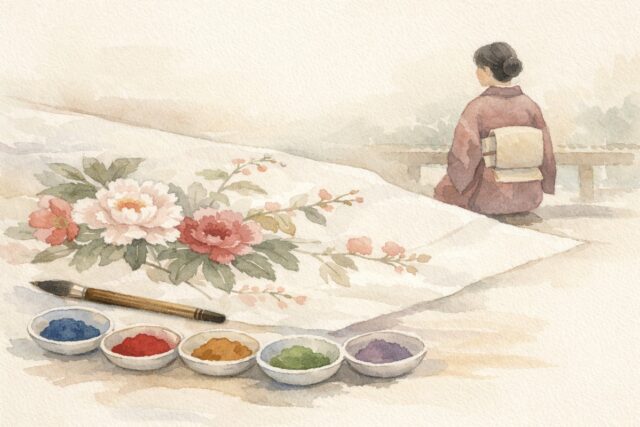
What sets hand-painted yuzen apart from stencil-dyed yuzen? A gentle guide to spotting the difference, plus the distinct personalities of Kyo yuzen and Kaga yuzen.
When should you wear cherry blossom kimono? We explain the traditional idea of 'anticipating the season' and how it differs for stylized, year-round motifs.
Crane, tortoiseshell, shippo, and pine-bamboo-plum — a gentle guide to the meanings and origins behind these beloved auspicious kimono motifs.
How do Yuki, Oshima, and Ushikubi tsumugi differ? A gentle introduction comparing the origins, materials, and character of Japan's three great tsumugi silks.