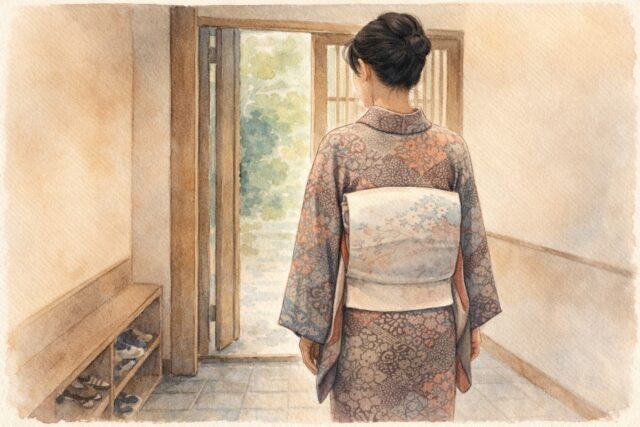
Nijyaku-sode and Hakama: How Do Haneri and Kasane-eri Change the Look?
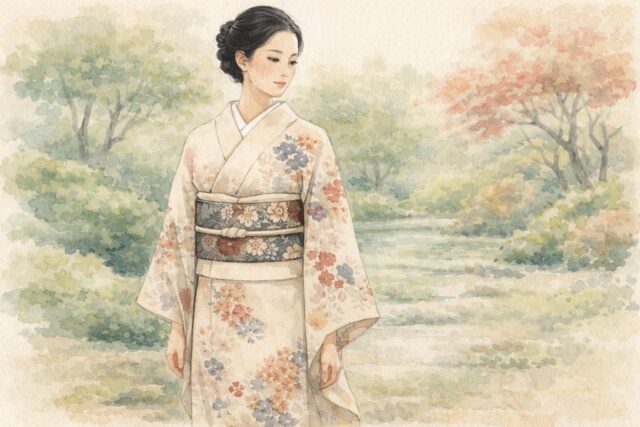
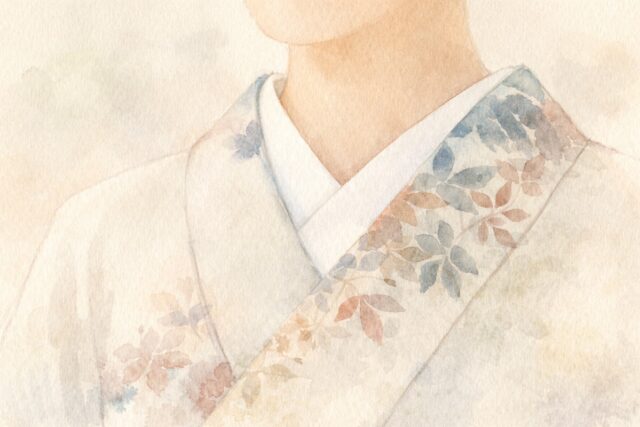
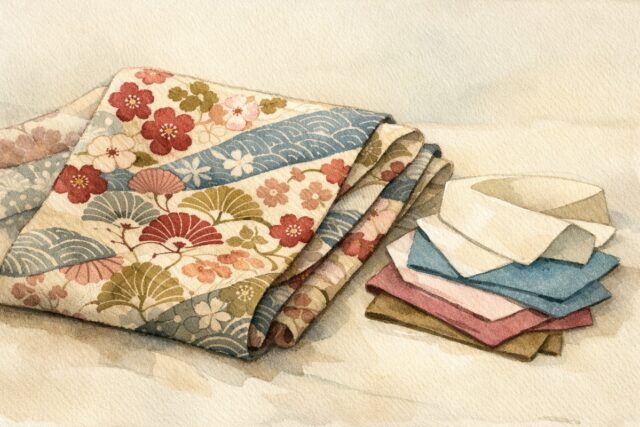
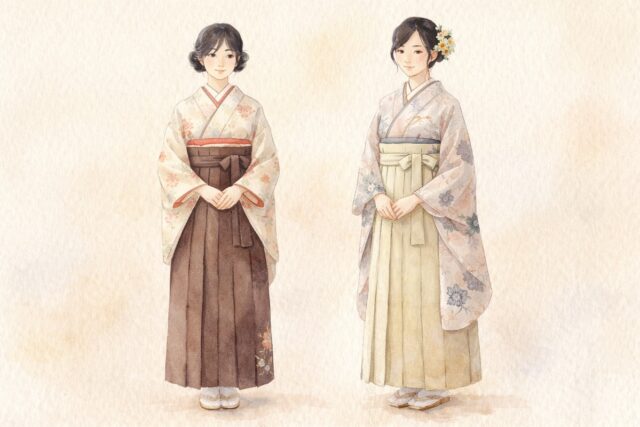
Unsure about haneri and kasane-eri for your graduation nijyaku-sode and hakama outfit? Here's a gentle guide to their roles, colors, and how they pair with hakama.
Unsure about haneri and kasane-eri for your graduation nijyaku-sode and hakama outfit? Here's a gentle guide to their roles, colors, and how they pair with hakama.
Confused between chirimen and rinzu when choosing an obiage? Here's a clear guide to their look, feel, and best occasions, plus beginner tips and care advice.
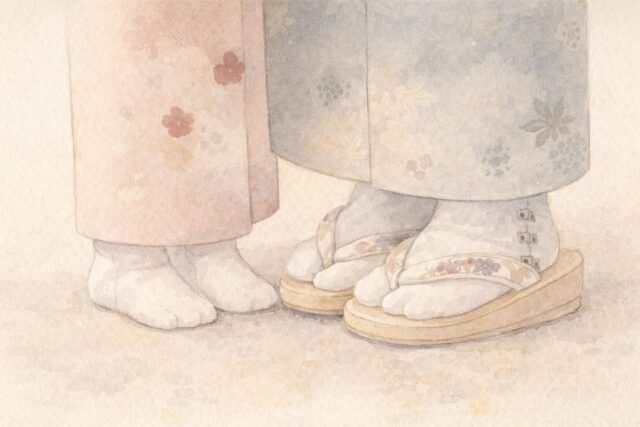
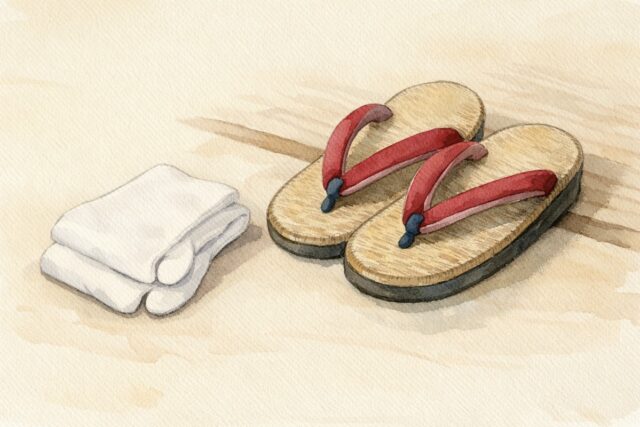
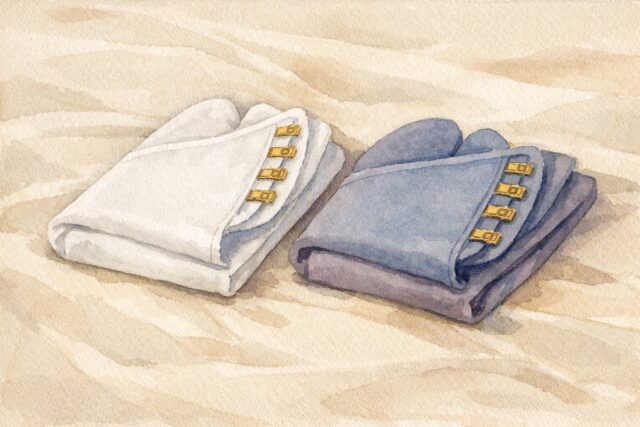
A gentle guide to tabi covers vs. tabi socks, from how they're made to how to choose by occasion, including Shichi-Go-San and theater kimono outings.
A gentle guide for mothers wearing houmongi to Shichi-Go-San, covering how to choose obijime and obiage colors, balance with the child's kimono, color pairings to avoid, and seasonal touches.
Obijime knots aren't limited to the basic knot and the kanau knot. Learn the differences between kotobuki, ichimonji, and fuji knots by occasion.
Does a stiffer collar stay really give a cleaner emon on your nagajuban? A gentle, beginner-friendly guide to collar stay stiffness, materials, and how to choose by kimono type and season.
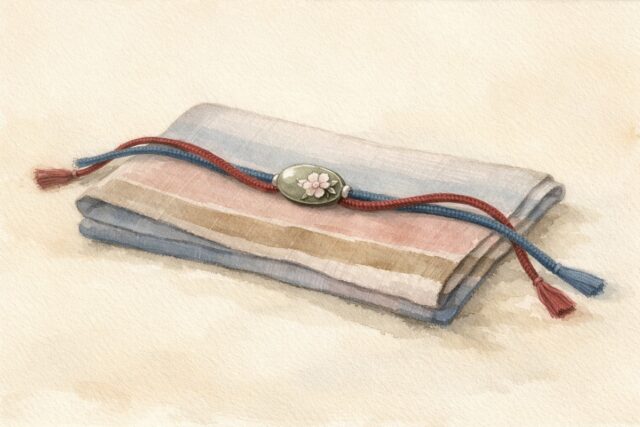
A gentle guide to whether obijime tassel covers are really necessary, how to use them while traveling or in storage, why tassels fray easily, and what to use if you don't have one.
When should you switch the haneri on your nagajuban? Here's an easy guide to timing it with the kimono seasonal wardrobe change, by fabric type.
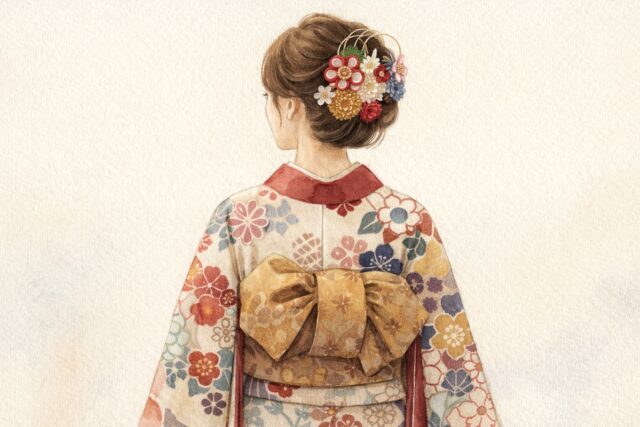
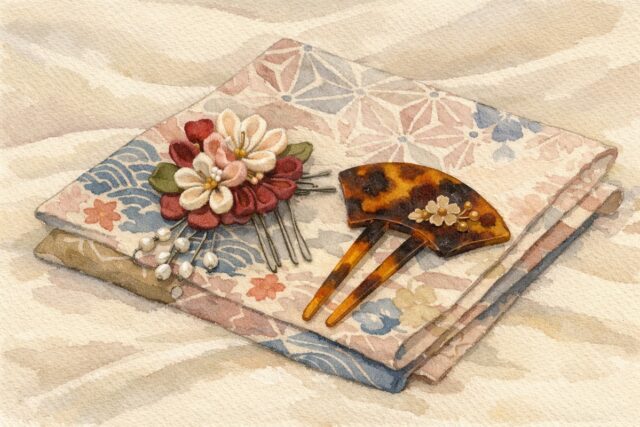
Torn between tsumami zaiku and fresh flowers for your furisode hair accessory at seijin-shiki or maedori? Compare the pros, cons, and best fit for you.
Hanhaba obi and heko obi are the basics for yukata. A Nagoya obi isn't an equal alternative — it's for styling yukata like a summer kimono, and it takes more than just a new obi.
Torn between kanzashi materials? Here's a gentle guide to tsumami zaiku basics, why real tortoiseshell is now so rare, and how it differs from imitation versions.
What sets a haori apart from a michiyuki coat or dochugi? A friendly look at look, formality, and season, focused on the key point: do you take it off indoors?
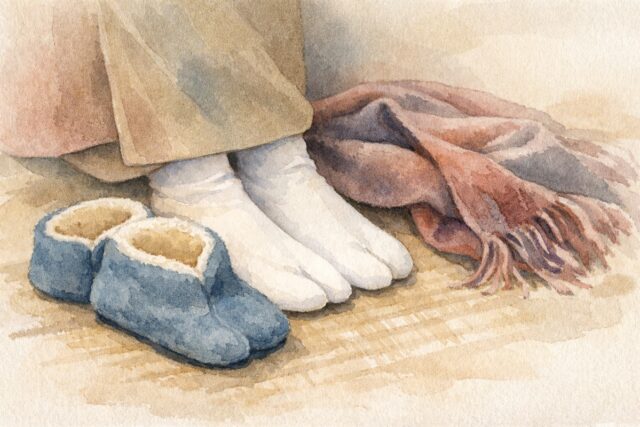
Cold drafts in winter kimono sneak in at the neck, sleeves, and feet. Here's a gentle guide to layering from underwear to outerwear, plus static tips.
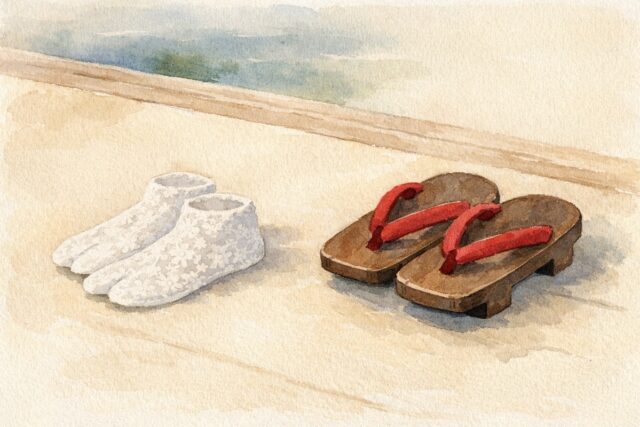
Bare feet with geta are the classic yukata look, but tabi aren't wrong either. A gentle guide to the history and stylish pairings like lace tabi.
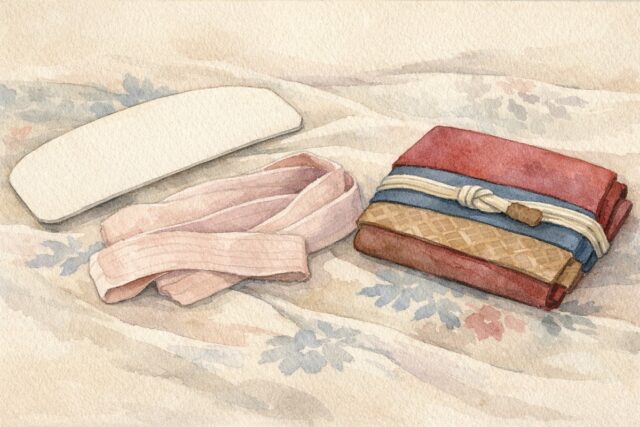
Are obi-ita and date-jime truly necessary? Here's a gentle breakdown of when you can skip them for yukata or casual wear, and why they matter for formal kimono looks.
How to choose everyday split-toe tabi socks online: reading toe room and fabric weight in a listing, sizing across regions, and wearing them with sneakers, sandals, geta or zori.
Obidome spinning around or the cord won't thread through? Learn how sanbu himo works, how to tie it properly, and what to check when buying more.
How to tell real kimono silk from kimono-print before you buy an Aloha shirt online, what bolt-cut and one-of-a-kind actually mean, and how to size and care for one.
A buyer's guide to telling real kimono-fabric aloha shirts from kimono-print ones online: fabric wording, seams, lining, sizing, and silk care explained.
A kimono aloha shirt is made from real kimono cloth or kimono-style print. Learn what separates the two before you buy one online.
A beginner-friendly guide to tabi sizing, the differences between karako, broadcloth, and stretch materials, and when to wear white versus colored tabi.
Silk or polyester for your nagajuban? Awase or hitoe? Here's a simple, friendly way to sort it all out by fabric, tailoring, and season.
From the role of the han-eri to seasonal fabrics, color and pattern etiquette for formal and casual wear, and step-by-step stitching or pinning methods — a gentle guide to choosing your collar with confidence.
Ever hesitated between geta and zori? Here's an easy guide to their differences in material and formality, how to choose for yukata or kimono, and what to do on rainy days.
Wondering if yukata need an obijime and obiage? Here's why they're optional accents, not essentials, plus tips for pairing them with a hanhaba obi tastefully.
Torn between hanhaba obi and heko obi for your yukata? Iroha breaks down the materials, ease of tying, and how to choose by occasion.
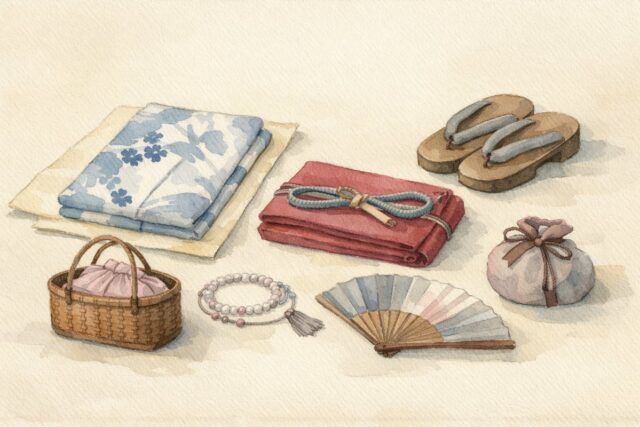
A friendly guide to choosing parasols, sensu (folding fans), and basket bags for yukata and summer kimono, based on material and formality.
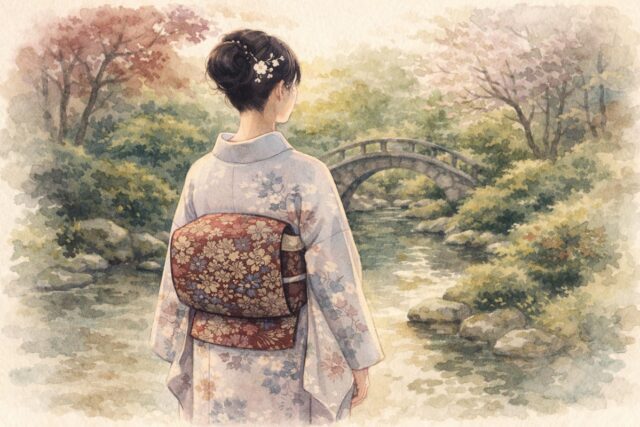
What colors should you choose for obijime and obiage? Formal wear calls for hira-gumi or maru-gumi cords and white, gold, or silver obiage. Here's how to think about color matching for casual kimono too.
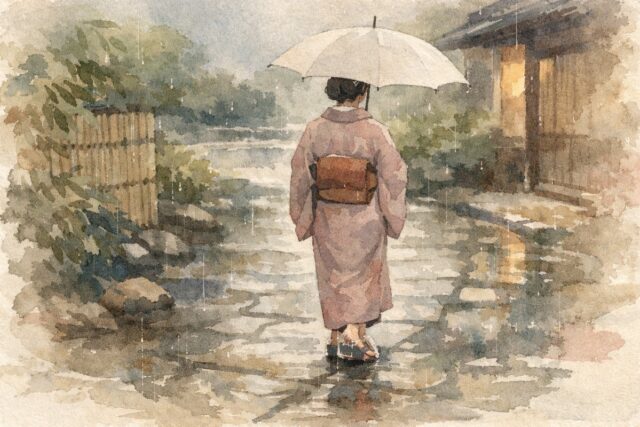
Practical rainy-day kimono tips: everyday substitutes for a rain coat, plus how to use zori covers and spare tabi to stay comfortable in the rain.
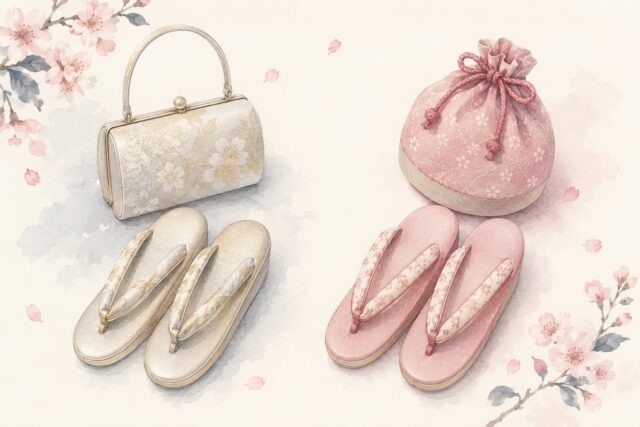
Learn how to choose zori (flat kimono sandals) and bags for formal versus casual kimono looks, including tips on heel height, material, and sizing.
Compare nagoya obi and fukuro obi by length, tying style, and formality—plus how gold- and silver-threaded nagoya obi can work as semi-formal wear.