
Have you ever worried, “Will she really make it through the ceremony safely in her hakama?” It’s common to choose a rental the same way you would for an adult’s furisode (a long-sleeved formal kimono) look, only to find on the morning of the ceremony that she’s at risk of tripping on the hem of her hakama (the pleated trousers/skirt worn over a kimono). For elementary school girls, graduation hakama differ from adult graduation hakama both in how sizing is decided and in how to get through the day comfortably. This article assumes a look pairing hakama with a nisyakusode (a kimono with shorter, two-shaku sleeves) or furisode. Don’t worry — let’s go through it step by step.
The First Thing to Check: Does the School Allow Hakama?
Before getting into sizing or booking, there’s one thing you should confirm first: whether hakama are permitted at your child’s elementary school graduation ceremony. Most schools hold the ceremony around mid-March, but whether hakama are allowed, and how much consideration is given to them in the ceremony program, varies from school to school. So start by checking any notices from the school or asking your child’s homeroom teacher. If you skip this step and decide on the hakama first, you may end up having to redo all your other plans later. Confirming whether hakama are allowed always comes first.
How Are Elementary Schoolers’ Hakama Different From Adult Graduation Hakama?
To get straight to the point, the biggest difference between children’s and adults’ graduation hakama is how the kimono itself is sized. Many rental kimono today are tailored specifically in children’s measurements, so they can be worn as-is without any kata-age (a shoulder tuck). For taller children, another option is to take an adult-sized kimono and adjust it with kata-age. Kata-age involves pinching and stitching the fabric at the shoulder to shorten the yuki (the sleeve length from center-back to wrist). Whether you use a kimono made in child-sized measurements or an adult kimono adjusted with kata-age changes both where you measure and how you choose the size.
Another difference from adult hakama is that height alone doesn’t directly determine hakama size. Even within the same school year, differences in height and build can be considerable, so the idea that “size is automatically determined by grade” doesn’t really apply. The basic approach is to use height as a general guide while also checking the fit around the shoulders and torso, as well as how easily she can walk in it.
How to Decide on Size: Don’t Judge by Height Alone
Sizing standards vary somewhat from shop to shop. Some shops offer three height tiers ranging from 3S (134cm) to S (149cm), while others judge sizing based on height plus yuki and under-bust measurements. Some shops set the standard so that if yuki falls short of 64cm, a junior size is used, while 64cm or more means an adult-sized kimono can also be worn; others use an under-bust measurement of around 65cm as the dividing line. Since the level of detail differs by shop, it’s smoother to measure your daughter’s height, yuki, and under-bust size before consulting with a shop.
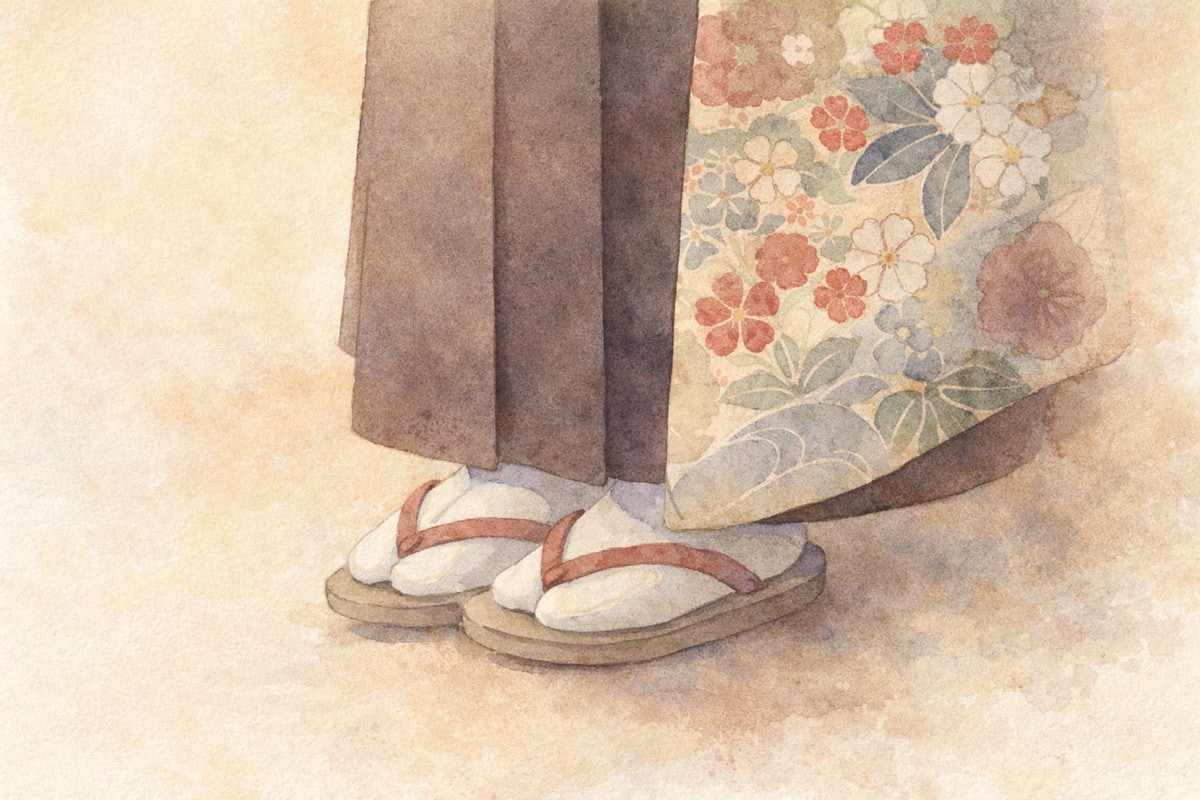
The ideal hakama length also depends on footwear. If she’ll be wearing both zori (flat kimono sandals) and boots, the general approach is to base the hakama length on the height of the zori. Deciding in advance which footwear she’ll be wearing for most of the day makes it easier to settle on the right size.
When Should You Start Booking? Why Earlier Is Safer
Graduation season tends to see a rush of hakama rental bookings, so early preparation is recommended. As a general guideline, booking from summer through autumn is commonly advised, and it’s said that peak ordering for elementary schoolers’ hakama tends to come earlier than for university students’ hakama. Between families wanting to get this done before entrance-exam season gets busy, and the general sense of urgency as everyone else starts preparing, it seems that acting within the year — ideally by around summer vacation — makes it easier to get the design you want.
Some shops start taking bookings as early as the spring about a year before the graduation ceremony, with visits increasing from Golden Week through summer vacation, and popular colors and patterns reportedly starting to sell out by around November. The timing for when booking opens varies quite a bit from shop to shop, so once you’ve found some candidate shops, it’s a good idea to inquire early to be safe. If you’d like to learn more about the booking process, see also Graduation Hakama Booking Timing and the Rental Process.
Staying Comfortable and Mobile on the Day
On the day of the ceremony, there’s a lot of moving around — from the dressing location to the ceremony hall, the classroom, and the photo session spot. How easily she can move will depend on whether she wears zori or boots. Some schools or venues have rules about footwear, so it’s worth confirming which is allowed beforehand.
If Choosing Zori
A heel height of about 4 to 6cm is a good guideline for zori. If the sole is too thick, going up and down stairs can become difficult, so it’s wise to consider whether the venue involves a lot of stair movement on the day. As for color, simple ones that don’t compete with the hakama’s color and pattern tend to be easiest to coordinate.
If Choosing Boots
On days with a lot of movement between the dressing location and the venue, some say boots with a thicker heel are easier to move in. Ankle-length short boots and lace-up long boots are the two styles most commonly used.
A Note on Changing Into Indoor Shoes
Inside the school building, children often switch from zori into indoor shoes, and at this point the hem of the hakama tends to drag on the floor. This is especially risky on stairs, where the hem can easily get caught underfoot or dragged, so it’s suggested to have the hakama fitted slightly shorter than usual when dressing. Having her wear leggings or tights, which also help with warmth, is another good approach. If you’re concerned about how to manage using the restroom in this outfit, see also How to Use the Restroom in a Furisode or Kimono.
What to Gather: What’s Included in the Set
The basic graduation hakama set consists of six items: the hakama, the kimono, a hanhaba obi (a narrow half-width sash), a nagajuban (an under-kimono), tabi socks, and zori or boots. Dressing accessories such as the koshihimo cords, datejime sash, obi-ita board, and eri-shin collar stiffener are often provided separately as an accessory set, so it’s worth checking exactly what’s included when you sign the rental contract. The kimono is typically chosen between a nisyakusode and a furisode, and the impression changes depending on sleeve length, so if you’re unsure, it helps to read The Difference Between Nisyakusode and Furisode before deciding.
Since the ceremony takes place in a season when the legs and feet can get cold, it’s a good idea to prepare tights or leggings ahead of time.
Who Should Do the Dressing?
The kitsuke (dressing in kimono) process for children’s hakama is often simpler than for an adult’s furisode, so options include dressing her at home, or asking a hair salon or photo studio to do it. Which option is right depends on your child’s stamina and the schedule on the day of the ceremony — if preparations need to start early in the morning, leaving it to a professional may let parents focus on their own preparations for the day.
Changing Afterward and Dealing With Stains
After the ceremony, the timing for changing out of the outfit and how any stains are handled depend on each rental shop’s return policies. It’s reassuring to confirm at the time of the contract whether cleaning is required upon return, and whether minor stains are covered without extra charges — that way, you can relax on the day itself.
Summary: Putting the Steps in Order
Here is everything above organized in the order you’ll want to decide things.
- Confirm whether the school allows hakama
- Note the ceremony date and start booking early
- Measure height, yuki, and under-bust size, and consult with the shop based on their sizing standards
- Decide whether to dress her at home or have a salon or photo studio do it
- Choose zori or boots, based on how much walking is expected on the day
- Prepare at home any accessories not included in the set, such as tights or leggings for warmth
Which of these matters most will vary depending on your family’s circumstances. There may seem to be a lot to arrange between the booking and the logistics of the day, but what matters most is that your daughter gets to walk through this special occasion with a smile. Resolve your worries one by one, and her hakama look on graduation day is sure to become a wonderful memory.